A serious injury requiring long-term care changes more than a person’s health. It can change how they wash, dress, travel, work, and live at home, and it changes the routines of the people around them. Care, therapy, equipment and home changes can create practical and financial pressures that build over years, not weeks.
Early assessment of future needs matters because those needs often become clear in stages. Rehabilitation, medical treatment and ongoing care can shape recovery and independence, and the evidence gathered in the first months can later support a legal claim. Where someone else is legally responsible for the injury, compensation may be able to reflect reasonable future needs, such as care, treatment and lost earnings, if the law and the evidence support each loss.
This guide explains what long-term care can involve, what it can cost, who may pay, how future needs are assessed and how a serious injury claim can relate to those needs. It gives general information for people in the UK, not personal legal advice.
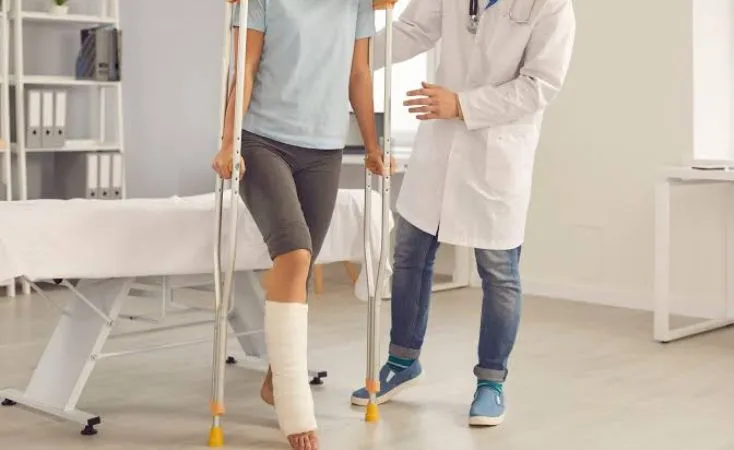
The injured person may need ongoing medical treatment, rehabilitation, personal or nursing care, equipment and changes to their home, sometimes for months, sometimes for years, sometimes for life. The level of care depends on the injury, the medical evidence, the recovery prospects and the person’s circumstances.
Long-term care after a serious injury can include:
Long-term care is support that continues beyond hospital treatment and early recovery. It helps a person manage daily life, health needs, and independence. For some people, support reduces as they recover. For others, it continues or increases over time. A serious injury does not always require permanent care, and no one can assume the outcome without proper medical evidence.
The effects reach well beyond the care itself:
Brain injuries, spinal cord injuries, amputations, serious burns and major orthopaedic injuries can lead to long-term care needs. The need depends on the individual, not on the injury category alone.
Examples include:
Two people with the same type of injury can have very different outcomes. Age, general health, the treatment they receive, and their home and work situation all affect the support they need. Only healthcare professionals can diagnose an injury or assess its likely course. This article does not predict recovery for any injury.
It can involve personal care, nursing support, therapy, psychological support, medication, medical appointments, equipment, home adaptations, transport and help with everyday activities.
Support may include:
Rehabilitation aims to restore function, build skills and improve independence, usually with clear goals and a plan. Long-term care provides continuing support with health and daily living. The two often overlap. Someone may receive intensive rehabilitation first and then ongoing care, or receive both at once.
Effective serious injury rehabilitation usually starts with an assessment by healthcare professionals, who then set a plan that may include:
Rehabilitation cannot guarantee recovery, and healthcare professionals, not solicitors or family members, decide what treatment is appropriate. Early rehabilitation often matters because it can support recovery and independence, and because records of it show how needs develop. Where an insurer is involved in a claim, it may sometimes agree to fund early rehabilitation, for example under the voluntary Rehabilitation Code, but this varies from case to case.
Private rehabilitation can form part of a claim where it is reasonable and legally recoverable, but the court or the other side can challenge the need for it and its cost.
Costs vary too much for any universal figure. They depend on the injury, the person’s age and life expectancy, and the type of support they need. Funding may come from the NHS, local authorities, personal funds, private arrangements or compensation from a successful claim.
Future care costs can become the largest part of a serious injury claim. They can include:
Costs vary with:
Assessing these costs often needs specialist evidence, covered below.
Funding arrangements vary. Possible sources include:
The NHS or a local authority will not automatically fund all long-term care. The rules and each person’s eligibility vary, so this article does not give personalised benefits advice.
Where someone else is legally responsible, compensation may include reasonable future care, treatment, rehabilitation and related losses caused by the injury. Nothing is guaranteed. The outcome depends on liability, medical evidence, causation and the applicable law.
Compensation in a personal injury claim aims to reflect the losses the injury caused. Liability means legal responsibility for causing the injury. Causation means showing that the injury caused the loss claimed.
A claim may involve several categories of loss, though not every claim includes all of them:
Within these, a claim may consider care and assistance, medical treatment, rehabilitation, equipment, accommodation needs, travel expenses, loss of earnings and future loss of earnings. Whether each item is recoverable depends on the circumstances and the evidence.
In a case involving a serious injury requiring long-term care, the future losses often carry the most weight. They may include:
Yes, where the injury causes a loss of income. A claim can include past loss of earnings and, where the evidence supports it, future loss of earnings if the person cannot return to work, returns to a lower-paid role or must work fewer hours. Employment records, pay information and vocational evidence often play a part.
They can be, where they are reasonably needed because of the injury. The claim may need evidence from an occupational therapist or other specialist about what the person needs and why.
Compensation is often paid as a lump sum. In some serious cases, part of the award may instead be paid as regular payments, known as periodical payments. Courts can also make interim payments, which are early payments on account, while a claim continues. Which option applies depends on the case.
No. Many claims are paid by an insurer on behalf of the person responsible, for example after a road accident or a workplace accident, so a serious injury insurance claim may be part of the process. Not every claim follows that route. Some involve unknown parties, and other routes exist, such as the Criminal Injuries Compensation Scheme for victims of violent crime. A solicitor can explain which route applies in a given case.
Serious injury claims usually take longer than straightforward claims because the injury and future needs can take time to understand. No one can reliably promise a timescale. Time limits also apply. In England and Wales, the usual limit is three years from the accident or from when the injured person first knew the injury was significant, but exceptions apply, including for children and people who lack mental capacity. Scotland and Northern Ireland have different rules, so seek advice early.
Future care needs are assessed using medical records, expert reports, rehabilitation and care evidence, and financial and employment information. The evidence shows what the person needs, why the injury caused it and what it may cost.
Evidence in a serious injury claim can include:
Experts usually identify what the person needs, cost it, and project that cost over the period the need is expected to last. That period can involve evidence about life expectancy. Both sides may instruct experts, and the figures can be disputed.
Recovery can change over time. A person’s needs a few months after an accident may differ from their needs a year or two later. Experts therefore often wait until the medical position is clearer before giving firm opinions, while early evidence and interim support help in the meantime. Those opinions remain professional judgements, and this article does not predict any individual’s recovery.
A serious injury can change family routines, income, roles and finances. Relatives often provide unpaid care, and the value of that care may be considered in a claim, depending on the circumstances and legal principles that apply.
Common effects include:
Often, yes. Relatives frequently provide care without payment, such as personal care, supervision and transport. The law can recognise the value of that care in a claim. The injured person, not the relative, usually makes the claim, and any sum recovered for family care is generally intended to compensate the person who provided it. Recovery is not guaranteed. It depends on the facts, the evidence, and the applicable legal principles. Records of what relatives do, and how often, help.
Follow medical advice, keep records of treatment, care and expenses, avoid assumptions about future needs and seek legal advice from serious injury solicitors where a claim may exist.
Documentation helps establish the financial effect of an injury. Records should always reflect the true position. Never exaggerate symptoms, needs or expenses.
1. What happens when a serious injury requires long-term care?
The person may need ongoing treatment, rehabilitation, personal care, equipment and home adaptations. The level and duration depend on the injury, medical evidence and individual circumstances.
2. Can serious injury compensation cover future care costs?
It can, where someone else is legally responsible and the future care is reasonably needed because of the injury. Recovery is not guaranteed and depends on the evidence.
3. Who pays for long-term care after an accident?
Funding may come from the NHS, local authority support, private arrangements, personal funds or compensation from a successful claim. Eligibility varies.
4. Can family care be included in a serious injury claim?
Care provided by relatives can be considered in a claim, depending on the circumstances and applicable legal principles. Recovery is not guaranteed.
5. How are future care needs calculated?
Experts assess what care and equipment the person needs, cost it, and project it over the expected period of need, using medical and care evidence.
A serious injury requiring long-term care usually means ongoing medical treatment, rehabilitation, personal care, equipment and, often, changes to the home, work and family life. The level and duration of that support depend on the individual and on medical evidence, not on the injury type alone.
Assessing future care needs early matters because those needs shape recovery, independence and finances. Rehabilitation plays a central role in supporting independence and quality of life, although it cannot guarantee any result. Clear evidence of future financial needs, including care costs, equipment, adaptations and future loss of earnings, matters because it forms the basis of any claim. Where someone else is legally responsible, compensation may reflect legally recoverable future losses, but every claim depends on its own circumstances, and nothing can be promised.
MRH Solicitors has a Serious Injury Team that deals with complex injuries and seriously injured clients, and offers a free initial consultation. If you or a family member is facing long-term care needs after a serious accident, you can make an enquiry online, or call 0203 146 0099 to talk through your situation. Details of how claims can be funded are on the firm’s funding page.
The information provided is for general informational purposes only and does not constitute advice. While we strive to ensure the information is accurate and up-to-date, we make no representations or warranties of any kind, express or implied, regarding the accuracy, adequacy, validity, or completeness of any information on this site.