Many workers across the UK have spent years using vibrating tools without ever being warned about the risks. For some, the damage only becomes clear much later, when fingers turn white in the cold, grip strength weakens, and daily tasks become painful or difficult. This condition, known as Vibration White Finger, has affected thousands of people in construction, manufacturing, engineering, mining, and similar trades.
This guide explains what workers need to know about Vibration White Finger payouts. It covers how the condition develops, who can claim, how compensation is calculated, and what steps to take next. Written from a legal perspective and aligned with the approach of MRH Solicitors, this article aims to give clear, practical information so workers can make informed decisions about their rights.
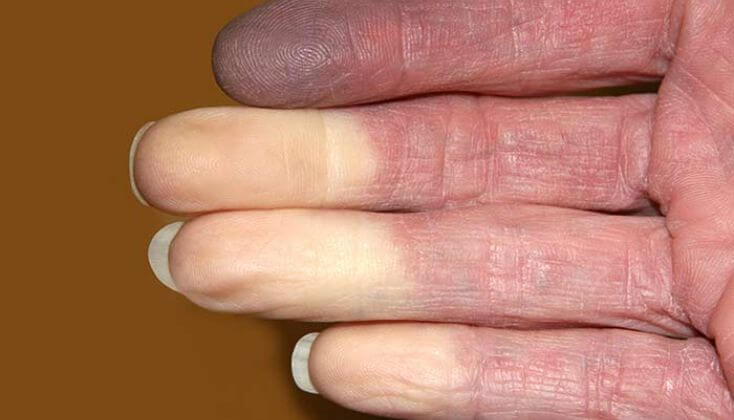
Vibration White Finger, often shortened to VWF, is a form of Hand-Arm Vibration Syndrome (HAVS). It develops after long-term exposure to vibrating tools such as jackhammers, grinders, drills, chainsaws, and impact wrenches.
Repeated vibration affects the nerves, blood vessels, and joints in the hands and arms. Over time, this exposure can cause permanent damage, leading to reduced blood flow and nerve sensitivity.
Common symptoms include:
In severe cases, the condition can interfere with work, hobbies, and basic daily activities such as buttoning clothes or holding cutlery.
One of the challenges with VWF is that symptoms may develop slowly. Workers may ignore early signs or assume the problem is temporary. In many cases, employers failed to provide proper training, health monitoring, or protective measures, leaving workers unaware of the long-term risks.
A Vibration White Finger claim is usually made by workers who developed the condition because of their job. Eligibility depends on exposure history, symptoms, and whether the employer met their legal duties.
Workers in the following sectors frequently bring claims:
Using vibrating tools regularly, especially over several years, significantly increases the risk.
Employers have a legal duty to protect workers from excessive vibration exposure. This includes:
If an employer failed to meet these duties, a worker may be entitled to compensation.
Many people believe they cannot claim once they leave their job. This is not always true. In Vibration White Finger compensation claims, the condition often appears or worsens years later. Former employees may still have valid claims, subject to time limits and medical evidence.
One of the most common questions workers ask is how much compensation they might receive. Vibration White Finger payouts vary depending on the severity of the condition and its impact on daily life and work.
Payout amounts are influenced by several factors:
Medical assessments play a key role in determining the level of injury.
Compensation is usually divided into two parts:
1) General damages
These cover pain, suffering, and loss of amenity. The more severe and life-altering the symptoms, the higher this part of the award.
2) Special damages
These cover financial losses, such as:
A strong claim ensures all relevant losses are included.
While every case is different, Vibration White Finger payouts can range from several thousand pounds for mild cases to significantly higher amounts for severe, disabling conditions. An experienced solicitor can provide a clearer estimate after reviewing medical evidence and work history.
MRH Solicitors regularly advises clients on realistic compensation expectations based on established legal guidelines and case outcomes.
Making a claim may feel daunting, but understanding the process helps reduce uncertainty.
The process usually begins with a detailed discussion about work history, tool usage, and symptoms. A solicitor will assess whether there is a reasonable chance of success.
An independent medical examination is arranged to confirm the diagnosis and severity of Vibration White Finger. This report is a crucial part of the claim.
Evidence may include:
Even if records are limited, experienced solicitors know how to build a case using available information.
Most Vibration White Finger compensation claims are settled through negotiation. If a fair settlement cannot be reached, court proceedings may be necessary. However, many cases resolve without a trial.
Throughout the process, firms such as MRH Solicitors focus on keeping clients informed and supported at every stage.
In the UK, personal injury claims usually have a three-year time limit. For Vibration White Finger claims, this often starts from the date the worker became aware that their symptoms were linked to their work, rather than when exposure first occurred.
This means some claims are still valid even years after leaving employment.
If a company has closed or changed ownership, workers may still be able to claim through the employer’s insurers. This is a common concern, and one that experienced solicitors handle regularly.
Many workers worry about legal costs. Most Vibration White Finger claims are handled on a no win, no fee basis. This means there is usually no upfront cost, and legal fees are only payable if the claim succeeds.
Vibration White Finger claims are complex. They involve medical evidence, workplace exposure assessments, and knowledge of employer duties over long periods.
A specialist solicitor understands:
MRH Solicitors has built a reputation for handling industrial disease claims with care, attention to detail, and a strong focus on client outcomes.
Without proper advice, workers may:
Expert guidance helps avoid these pitfalls and improves the chances of a fair outcome.
While compensation is important, it is equally important to recognise the broader impact of the condition.
Many people with VWF struggle with:
These effects are taken into account when assessing compensation.
Living with a long-term condition can also affect mental well-being. Frustration, anxiety, and reduced confidence are common, especially when symptoms limit independence or earning ability.
A well-prepared claim reflects both physical and emotional consequences.
Vibration White Finger is a serious condition that has affected many hardworking people across the UK. Those who developed symptoms due to workplace exposure may be entitled to compensation, even if they left the job years ago.
Understanding how Vibration White Finger payouts work, who can claim, and what the process involves puts workers in a stronger position. With the right legal support, it is possible to secure fair compensation that reflects the true impact of the condition.
MRH Solicitors encourages anyone experiencing symptoms linked to vibrating tools to seek advice sooner rather than later. A clear, confidential discussion can help workers understand their options and decide on the best way forward.
Taking action is not about blame. It is about protecting rights, securing financial support, and gaining recognition for the long-term effects of a condition that should have been prevented.